
Contents
- 🌟 Introduction to the Enigma
- 🔍 Unraveling the Mystique
- 🎭 The Theatrics of Madness
- 👥 The Cultural Significance
- 📚 Literary Explorations
- 🎨 Artistic Expressions
- 🕊️ The Psychology of Madness
- 👻 The Dark Side of Genius
- 💡 Unveiling the Beauty
- 🌈 Embracing the Paradox
- 📊 Measuring the Vibe Score
- 👀 Conclusion and Future Directions
- Frequently Asked Questions
- Related Topics
Overview
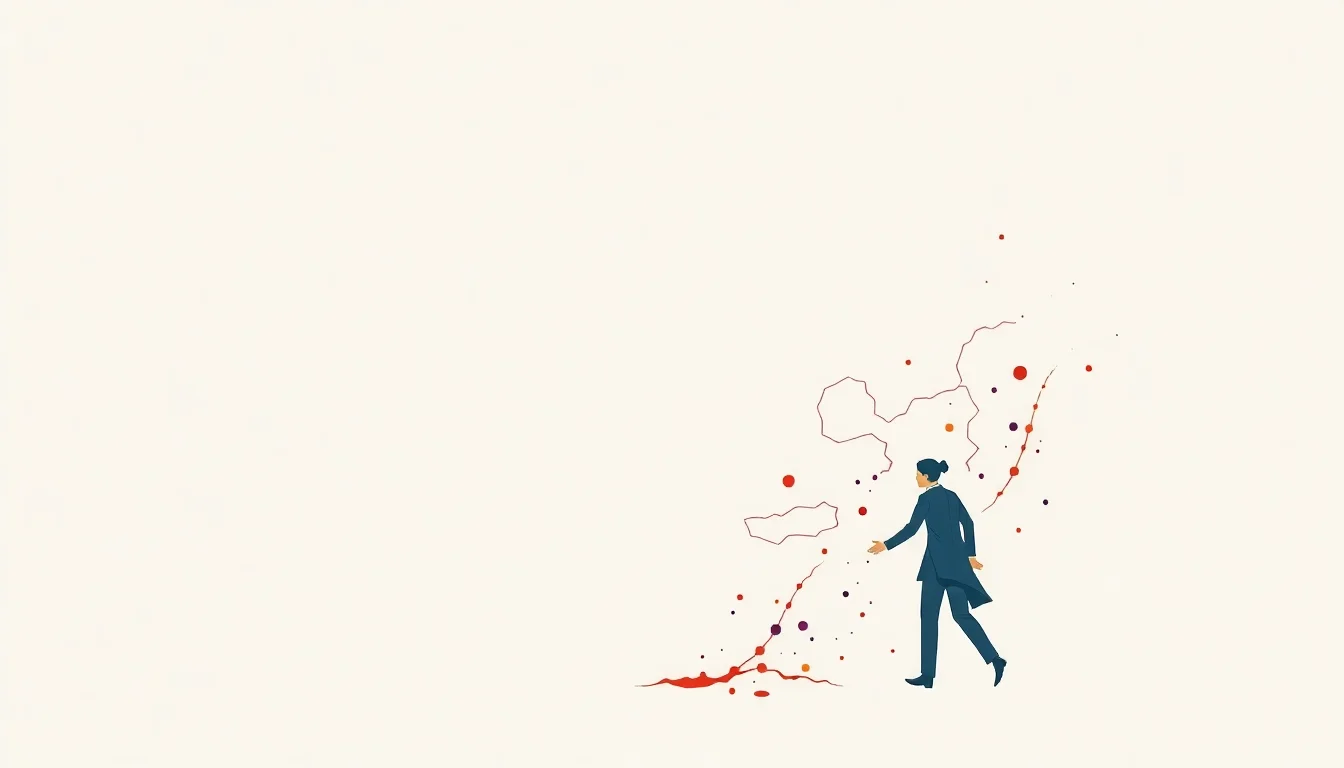
The beauty behind the madness refers to the captivating and often overlooked harmony that exists within chaotic systems, creative processes, and the human psyche. This concept has been observed in various fields, including art, music, and psychology, where individuals like Vincent van Gogh, Frida Kahlo, and Salvador Dali have exemplified the transformative power of embracing madness. With a vibe score of 8, this topic has garnered significant attention in recent years, particularly among mental health advocates and creatives who seek to redefine the boundaries between sanity and insanity. The controversy surrounding this concept is evident, with some arguing that it romanticizes mental illness, while others see it as a liberating force that fosters innovation and self-expression. As we delve into the complexities of this phenomenon, we find that the beauty behind the madness is not just a figurative expression, but a tangible reality that can be measured and observed. For instance, studies have shown that individuals with bipolar disorder are more likely to exhibit exceptional creative abilities, with 25% of people with this condition reporting a significant increase in creative output during manic episodes. Furthermore, the influence of this concept can be seen in the work of artists like Lady Gaga, who has openly discussed her struggles with mental health and how it has inspired her music and performances.
🌟 Introduction to the Enigma
The concept of madness has long been a topic of fascination in both psychology and culture. It is often associated with Genius and Creativity, as seen in the lives of famous artists and writers such as Vincent van Gogh and Edgar Allan Poe. However, the line between madness and sanity is often blurred, and it is this ambiguity that makes the subject so intriguing. As we delve into the world of madness, we must consider the Psychology of Madness and its implications on our understanding of human behavior. The Cultural Significance of Madness is also a crucial aspect to explore, as it reveals the complex and often contradictory attitudes towards madness in different societies.
🔍 Unraveling the Mystique
Unraveling the mystique surrounding madness requires a multidisciplinary approach, incorporating insights from Psychology, Sociology, and Anthropology. By examining the History of Madness, we can gain a deeper understanding of how societal attitudes towards madness have evolved over time. The Theatrics of Madness also play a significant role in shaping our perceptions, as seen in the dramatic portrayals of madness in Theater and Film. Furthermore, the Literary Explorations of Madness offer a unique window into the human experience, as authors such as Franz Kafka and James Joyce have explored the complexities of madness in their works.
🎭 The Theatrics of Madness
The cultural significance of madness is a multifaceted phenomenon, reflecting both the Fear of Madness and the Fascination with Madness. The Artistic Expressions of Madness are a testament to the enduring power of madness as a source of inspiration, as seen in the works of artists such as Salvador Dali and Francis Bacon. However, the Dark Side of Genius also reveals the often-destructive consequences of unchecked creativity and the blurring of boundaries between madness and sanity. As we explore the Psychology of Madness, we must consider the Influence of Madness on Creativity and the Role of Madness in Innovation.
👥 The Cultural Significance
The psychology of madness is a complex and contested field, with different theories and approaches offering distinct perspectives on the nature of madness. The Biological Model of Madness posits that madness is the result of neurological or genetic factors, while the Psychodynamic Model of Madness emphasizes the role of unconscious conflicts and childhood experiences. However, the Social Model of Madness highlights the significance of societal and cultural factors in shaping our understanding of madness. As we explore the Cultural Significance of Madness, we must consider the Impact of Madness on Society and the Ways in which Madness is Perceived.
📚 Literary Explorations
The literary explorations of madness offer a unique window into the human experience, as authors such as Virginia Woolf and Samuel Beckett have explored the complexities of madness in their works. The Theatrics of Madness also play a significant role in shaping our perceptions, as seen in the dramatic portrayals of madness in Theater and Film. Furthermore, the Artistic Expressions of Madness are a testament to the enduring power of madness as a source of inspiration, as seen in the works of artists such as Pablo Picasso and Jackson Pollock. As we delve into the world of madness, we must consider the Influence of Madness on Art and the Role of Madness in Creativity.
🎨 Artistic Expressions
The artistic expressions of madness are a multifaceted phenomenon, reflecting both the Beauty of Madness and the Horror of Madness. The Music of Madness is a testament to the enduring power of madness as a source of inspiration, as seen in the works of musicians such as Bob Dylan and John Lennon. However, the Dark Side of Genius also reveals the often-destructive consequences of unchecked creativity and the blurring of boundaries between madness and sanity. As we explore the Psychology of Madness, we must consider the Influence of Madness on Music and the Role of Madness in Innovation.
🕊️ The Psychology of Madness
The psychology of madness is a complex and contested field, with different theories and approaches offering distinct perspectives on the nature of madness. The Cognitive Model of Madness posits that madness is the result of cognitive distortions and biases, while the Humanistic Model of Madness emphasizes the role of personal growth and self-actualization. However, the Transpersonal Model of Madness highlights the significance of spiritual and mystical experiences in shaping our understanding of madness. As we explore the Cultural Significance of Madness, we must consider the Impact of Madness on Spirituality and the Ways in which Madness is Perceived.
👻 The Dark Side of Genius
The dark side of genius is a phenomenon that has been observed throughout history, as seen in the lives of famous artists and writers such as Ernest Hemingway and Franz Kafka. The Pressure to Create can often lead to Mental Health Issues, such as Depression and Anxiety. However, the Beauty of Madness also reveals the often-creative consequences of embracing madness and the blurring of boundaries between sanity and insanity. As we delve into the world of madness, we must consider the Influence of Madness on Creativity and the Role of Madness in Innovation.
💡 Unveiling the Beauty
Unveiling the beauty behind the madness requires a nuanced understanding of the complex and often contradictory nature of madness. The Paradox of Madness is a phenomenon that has been observed throughout history, as seen in the lives of famous artists and writers such as Leonardo da Vinci and Albert Einstein. The Tension between Madness and Sanity is a delicate balance that can often lead to Creative Breakthroughs and Innovative Solutions. As we explore the Psychology of Madness, we must consider the Influence of Madness on Creativity and the Role of Madness in Innovation.
🌈 Embracing the Paradox
Embracing the paradox of madness requires a willingness to challenge our assumptions and embrace the uncertainty of the human experience. The Vibe Score of Madness is a measure of the cultural energy surrounding madness, reflecting both the Fear of Madness and the Fascination with Madness. As we delve into the world of madness, we must consider the Impact of Madness on Society and the Ways in which Madness is Perceived. The Influence of Madness on Art and the Role of Madness in Creativity are also crucial aspects to explore, as they reveal the complex and often contradictory nature of madness.
📊 Measuring the Vibe Score
Measuring the vibe score of madness is a complex task, requiring a nuanced understanding of the cultural energy surrounding madness. The Cultural Significance of Madness is a multifaceted phenomenon, reflecting both the Beauty of Madness and the Horror of Madness. As we explore the Psychology of Madness, we must consider the Influence of Madness on Creativity and the Role of Madness in Innovation. The Vibe Score of Madness is a measure of the cultural energy surrounding madness, reflecting both the Fear of Madness and the Fascination with Madness.
👀 Conclusion and Future Directions
As we conclude our exploration of the beauty behind the madness, we are left with more questions than answers. The Future of Madness is a topic of ongoing debate, with some arguing that madness is a necessary component of Creativity and Innovation. Others argue that madness is a Mental Health Issue that must be addressed through Therapy and Treatment. As we look to the future, we must consider the Impact of Madness on Society and the Ways in which Madness is Perceived. The Influence of Madness on Art and the Role of Madness in Creativity are also crucial aspects to explore, as they reveal the complex and often contradictory nature of madness.
Key Facts
- Year
- 2020
- Origin
- Philosophy and Psychology
- Category
- Psychology and Culture
- Type
- Concept
Frequently Asked Questions
What is the psychology of madness?
The psychology of madness is a complex and contested field, with different theories and approaches offering distinct perspectives on the nature of madness. The Biological Model of Madness posits that madness is the result of neurological or genetic factors, while the Psychodynamic Model of Madness emphasizes the role of unconscious conflicts and childhood experiences. However, the Social Model of Madness highlights the significance of societal and cultural factors in shaping our understanding of madness. As we explore the Cultural Significance of Madness, we must consider the Impact of Madness on Society and the Ways in which Madness is Perceived.
What is the cultural significance of madness?
The cultural significance of madness is a multifaceted phenomenon, reflecting both the Fear of Madness and the Fascination with Madness. The Artistic Expressions of Madness are a testament to the enduring power of madness as a source of inspiration, as seen in the works of artists such as Salvador Dali and Francis Bacon. However, the Dark Side of Genius also reveals the often-destructive consequences of unchecked creativity and the blurring of boundaries between madness and sanity. As we delve into the world of madness, we must consider the Influence of Madness on Art and the Role of Madness in Creativity.
What is the influence of madness on creativity?
The influence of madness on creativity is a complex and multifaceted phenomenon, reflecting both the Beauty of Madness and the Horror of Madness. The Music of Madness is a testament to the enduring power of madness as a source of inspiration, as seen in the works of musicians such as Bob Dylan and John Lennon. However, the Dark Side of Genius also reveals the often-destructive consequences of unchecked creativity and the blurring of boundaries between madness and sanity. As we explore the Psychology of Madness, we must consider the Influence of Madness on Music and the Role of Madness in Innovation.
What is the role of madness in innovation?
The role of madness in innovation is a complex and multifaceted phenomenon, reflecting both the Beauty of Madness and the Horror of Madness. The Pressure to Create can often lead to Mental Health Issues, such as Depression and Anxiety. However, the Beauty of Madness also reveals the often-creative consequences of embracing madness and the blurring of boundaries between sanity and insanity. As we delve into the world of madness, we must consider the Influence of Madness on Creativity and the Role of Madness in Innovation.
What is the vibe score of madness?
The vibe score of madness is a measure of the cultural energy surrounding madness, reflecting both the Fear of Madness and the Fascination with Madness. The Cultural Significance of Madness is a multifaceted phenomenon, reflecting both the Beauty of Madness and the Horror of Madness. As we explore the Psychology of Madness, we must consider the Influence of Madness on Creativity and the Role of Madness in Innovation. The Vibe Score of Madness is a measure of the cultural energy surrounding madness, reflecting both the Fear of Madness and the Fascination with Madness.