
Contents
Overview
Indigenous spirituality in the context of shamanic practices refers to the diverse and vibrant spiritual traditions of Native American communities, which have been passed down through generations via oral traditions, myths, and stories. These practices are deeply rooted in the cultural and historical contexts of individual nations, tribes, and bands, and often involve a complex interplay of monotheistic, polytheistic, henotheistic, animistic, shamanistic, and pantheistic beliefs. As a resource for spiritual seekers and practitioners, understanding and respecting indigenous spirituality is crucial for fostering a deeper appreciation of shamanic practices and their cultural significance. With a renewed interest in traditional practices, many Native American communities are working to preserve and revitalize their spiritual heritage, making it an exciting time to explore and learn from these rich cultural traditions.
🎵 Origins & History
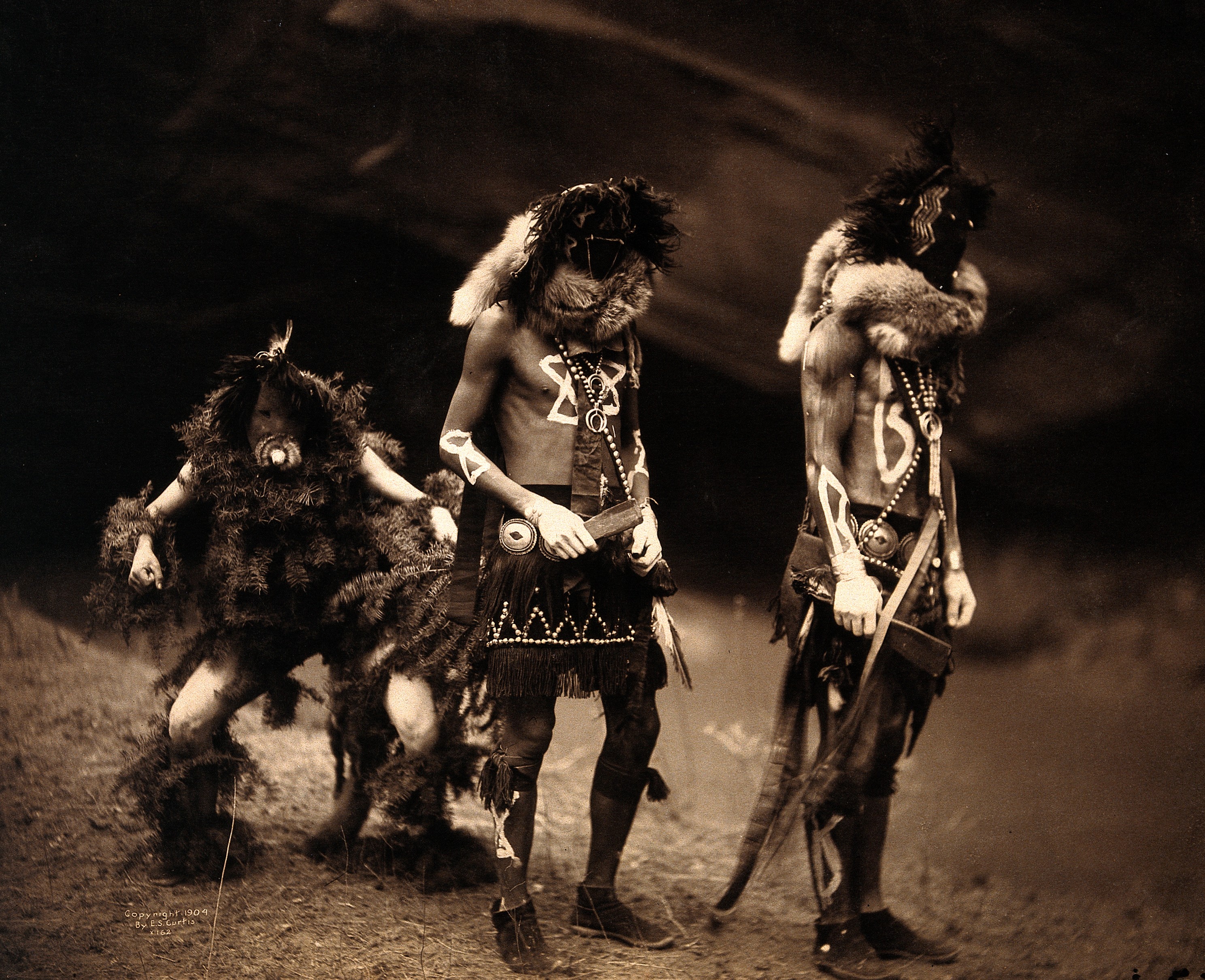
Indigenous spirituality in shamanic practices has a rich and diverse history, with roots dating back to the earliest Native American communities. The Lakota people, for example, have a long tradition of spiritual practices that emphasize the importance of living in harmony with nature and honoring the spirits of the land. Similarly, the Navajo Nation has a strong tradition of spiritual practices that focus on the importance of balance and harmony in all aspects of life. These practices are often passed down through oral traditions, myths, and stories, and are deeply rooted in the cultural and historical contexts of individual nations, tribes, and bands.
⚙️ How It Works
The mechanics of indigenous spirituality in shamanic practices involve a complex interplay of beliefs and rituals, often centered around the concept of spiritual balance and harmony. Practitioners may use various techniques, such as meditation, prayer, and ritual ceremonies, to connect with the spirits and honor the land. For example, the sweat lodge ceremony is a common practice among many Native American communities, and involves the use of heat, sweat, and prayer to purify the body and spirit. The vision quest is another important practice, which involves solitude, fasting, and prayer to seek guidance and wisdom from the spirits.
📊 Key Facts & Numbers
Some key facts about indigenous spirituality in shamanic practices include the diverse and vibrant spiritual traditions of Native American communities. The National Congress of American Indians has been instrumental in promoting and preserving indigenous spirituality. The Indigenous Peoples' Biocultural Climate Change Assessment works to promote and preserve indigenous knowledge and practices related to climate change and environmental sustainability.
👥 Key People & Organizations
Key organizations involved in indigenous spirituality in shamanic practices include the National Congress of American Indians and the Indigenous Peoples' Biocultural Climate Change Assessment. These organizations work to promote and preserve indigenous spirituality and cultural heritage.
🌍 Cultural Impact & Influence
Indigenous spirituality in shamanic practices has had a profound impact on the cultural and spiritual landscape of the Americas, and continues to influence contemporary spiritual practices and traditions. The New Age movement, for example, has drawn heavily from indigenous spiritual practices, and has helped to popularize and promote Native American spiritual traditions. However, this has also raised concerns about cultural appropriation and the exploitation of indigenous cultural heritage, highlighting the need for greater respect, understanding, and reciprocity in the exchange of spiritual practices and traditions.
⚡ Current State & Latest Developments
Currently, indigenous spirituality in shamanic practices is experiencing a resurgence of interest and popularity, with many Native American communities working to preserve and revitalize their cultural heritage.
🤔 Controversies & Debates
Some of the controversies and debates surrounding indigenous spirituality in shamanic practices include concerns about cultural appropriation and the exploitation of indigenous cultural heritage. The need for greater respect, understanding, and reciprocity in the exchange of spiritual practices and traditions is highlighted.
🔮 Future Outlook & Predictions
Looking to the future, indigenous spirituality in shamanic practices is likely to continue to play an important role in promoting and preserving Native American cultural heritage, and in fostering a deeper appreciation and understanding of the cultural and spiritual traditions of indigenous communities.
💡 Practical Applications
In practical terms, indigenous spirituality in shamanic practices offers a wealth of wisdom and knowledge for spiritual seekers and practitioners, from the importance of living in harmony with nature to the value of honoring the spirits and the land. The sweat lodge ceremony, for example, is a powerful practice for purification and spiritual growth, and can be adapted and modified to suit individual needs and circumstances. The vision quest is another important practice, which involves solitude, fasting, and prayer to seek guidance and wisdom from the spirits, and can be a powerful tool for personal growth and transformation.
Key Facts
- Category
- resources
- Type
- concept