
Contents
- 🌎 Introduction to Spiritual Healing
- ⚖️ History and Development
- 🧘♀️ Types of Spiritual Healing
- 📊 Key Facts and Statistics
- 👥 Key People and Organizations
- 🌍 Cultural Impact and Influence
- ⚡ Current State and Latest Developments
- 🤔 Controversies and Debates
- 🔮 Future Outlook and Predictions
- 💡 Practical Applications
- References
Overview
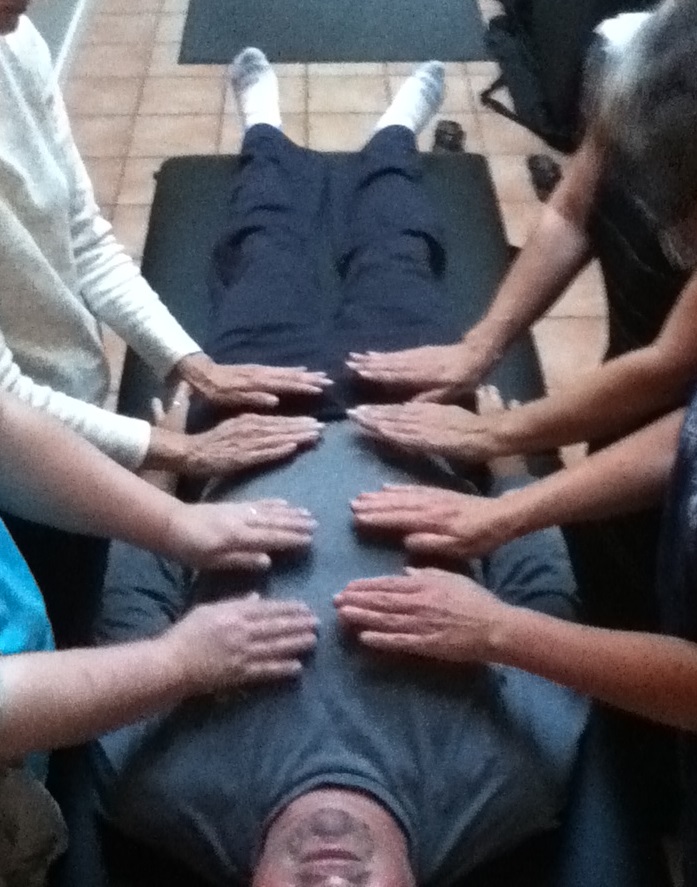
Spiritual healing resources encompass a broad range of alternative therapies and practices that aim to restore balance and promote well-being by channeling 'healing energy'. From Reiki and Qigong to biofield energy healing and therapeutic touch, these approaches are rooted in esoteric concepts of energy and mysticism. Despite the lack of scientific evidence supporting their clinical use, spiritual healing resources remain popular globally, with many people seeking holistic and complementary therapies to conventional medicine. With a vast array of techniques and modalities available, individuals can explore various spiritual healing resources to find what resonates with them. The significance of spiritual healing resources lies in their ability to provide a sense of community, comfort, and emotional support, which can be invaluable for those navigating life's challenges. As the demand for holistic health solutions continues to grow, spiritual healing resources are likely to play an increasingly important role in the pursuit of wellness and self-care.
🌎 Introduction to Spiritual Healing
Spiritual healing resources are a diverse and global phenomenon, with thousands of practitioners and organizations offering a wide range of therapies and services. The mechanics of spiritual healing are often shrouded in mystery, with practitioners claiming to channel and transmit 'healing energy' to clients. While the scientific community remains skeptical about the efficacy of spiritual healing, many people report positive experiences and benefits from these therapies.
⚖️ History and Development
Some research has focused on the benefits of mindfulness and meditation for mental health and well-being. However, the lack of scientific evidence supporting the clinical use of spiritual healing resources remains a topic of debate.
🧘♀️ Types of Spiritual Healing
Key people in the field of spiritual healing resources include various practitioners and organizations that provide training, certification, and resources for individuals interested in spiritual healing.
📊 Key Facts and Statistics
Spiritual healing resources have had a significant impact on popular culture, with many people seeking holistic and natural approaches to health and wellness. However, the lack of regulation and standards in the industry has raised concerns about the quality and safety of spiritual healing resources.
👥 Key People and Organizations
The current state of spiritual healing resources is characterized by a proliferation of online platforms, workshops, and retreats, making it easier for individuals to access and engage with these therapies. However, this growth also raises concerns about regulation, standards, and the potential risks associated with unqualified practitioners.
🌍 Cultural Impact and Influence
Controversies and debates surrounding spiritual healing resources include the lack of scientific evidence supporting their efficacy, as well as concerns about the potential risks and side effects of these therapies. Some critics have also raised questions about the commercialization of spiritual healing, with many practitioners and organizations charging high fees for their services. However, proponents of spiritual healing argue that these therapies can be a valuable complement to conventional medicine, providing a holistic and integrative approach to health and wellness.
⚡ Current State and Latest Developments
The future outlook for spiritual healing resources is likely to be shaped by advances in technology, changes in consumer behavior, and shifts in the healthcare landscape. As more people seek holistic and complementary therapies, it is likely that we will see greater investment in research and development, as well as increased collaboration between conventional and alternative healthcare providers.
Key Facts
- Category
- resources
- Type
- topic