
Contents
- 🔮 Introduction to Shamanic Altars
- 🌿 The History of Shamanic Altars
- 🕉️ The Role of the Shaman in Altar Creation
- 🔥 The Elements of a Shamanic Altar
- 🌸 The Significance of Sacred Objects
- 🕊️ The Power of Intention and Invocation
- 🔮 The Connection to Ancestors and Spirits
- 💫 The Use of Shamanic Altars in Modern Times
- 🌐 The Global Influence of Shamanic Altars
- 📚 The Controversies and Criticisms
- 🔍 Conclusion and Future Directions
- Frequently Asked Questions
- Related Topics
Overview
The shamanic altar is a sacred space where the veil between the physical and spiritual realms is at its thinnest. For centuries, shamans have utilized these altars to connect with the divine, honor ancestors, and seek guidance. With a vibe score of 8, the shamanic altar is a cultural phenomenon that has been widely reported to facilitate healing, transformation, and self-discovery. From the Amazonian rainforest to the Mongolian steppes, the shamanic altar has been a cornerstone of indigenous spiritual practices, with over 70% of native cultures incorporating some form of altar-based ritual. However, the concept of the shamanic altar is not without controversy, with some critics arguing that its cultural significance has been diminished by New Age appropriation. As we move forward, it's essential to acknowledge the historical and cultural context of the shamanic altar and its potential to shape the future of modern spirituality. With influential figures like Carlos Castaneda and Terence McKenna popularizing the concept, the shamanic altar has become a topic of fascination, with many seeking to understand its secrets and apply its principles in their own lives.
🔮 Introduction to Shamanic Altars
The shamanic altar is a sacred space that has been used for centuries in various cultures around the world. It is a place where Shamanic Practitioners connect with the divine, honor their ancestors, and seek guidance and healing. The altar is often decorated with Sacred Objects such as feathers, stones, and Herbal Remedies. The creation of a shamanic altar is a deeply personal and intentional process, requiring a strong connection to Nature and the Spirit World. As we explore the mystique of the shamanic altar, we will delve into its history, the role of the shaman, and the significance of the elements and objects used in its creation. For example, the Amazon Rainforest is home to many indigenous communities that have used shamanic altars for centuries.
🌿 The History of Shamanic Altars
The history of shamanic altars dates back to ancient times, with evidence of their use found in Ancient Cultures such as the Egyptian Culture and the Celtic Culture. These early altars were often used for Rituals and Ceremonies, and were believed to hold powerful Spiritual Energy. The use of shamanic altars has continued to evolve over time, with modern practitioners incorporating new elements and techniques into their practice. For instance, the Druidic Tradition has influenced the development of modern shamanic altars, with a focus on Nature-Based Spirituality. As we explore the history of shamanic altars, we will examine the ways in which they have been used in different cultures and traditions, including the Native American Culture and the African Culture.
🕉️ The Role of the Shaman in Altar Creation
The shaman plays a crucial role in the creation and use of the shamanic altar. They are responsible for Setting Intention and Invoking Spirits, and for using their knowledge of Herbalism and Energy Healing to create a powerful and sacred space. The shaman's connection to Nature and the Spirit World is essential to the creation of a shamanic altar, as they must be able to communicate with the spirits and honor the ancestors. As we explore the role of the shaman, we will examine the ways in which they use their knowledge and skills to create a shamanic altar, including the use of Sound Healing and Meditation. For example, the Shamanic Journey is a powerful technique used by shamans to connect with the spirit world and access ancient wisdom.
🔥 The Elements of a Shamanic Altar
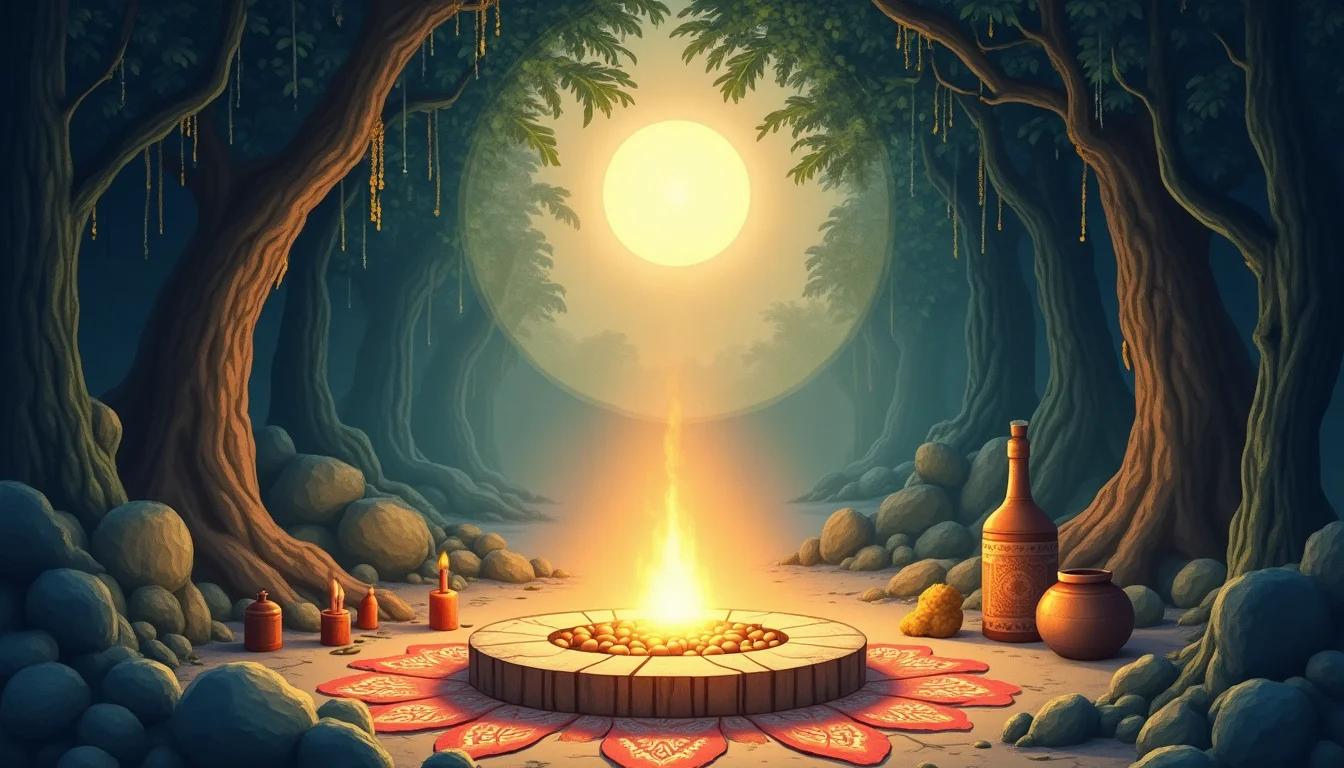
A shamanic altar typically consists of several elements, including a Altar Cloth, Candles, and Sacred Objects such as feathers, stones, and Crystals. The elements used in the altar are often chosen for their Spiritual Significance and their ability to connect the practitioner to the Spirit World. The altar may also include Herbal Remedies and other Natural Remedies that are used for Healing and Protection. As we explore the elements of a shamanic altar, we will examine the ways in which they are used to create a powerful and sacred space, including the use of Smudging and Incense. For instance, the Sage Plant is often used in smudging ceremonies to purify and protect the energy of the altar.
🌸 The Significance of Sacred Objects
The sacred objects used in a shamanic altar are often chosen for their Spiritual Significance and their ability to connect the practitioner to the Spirit World. These objects may include Feathers, Stones, and Crystals, as well as other Natural Objects that are believed to hold powerful Spiritual Energy. The use of sacred objects in a shamanic altar is a way of honoring the ancestors and the spirits, and of seeking guidance and healing. As we explore the significance of sacred objects, we will examine the ways in which they are used in different cultures and traditions, including the Hindu Tradition and the Buddhist Tradition. For example, the Tibetan Buddhist Tradition uses sacred objects such as Prayer Wheels and Tibetan Singing Bowls in their spiritual practices.
🕊️ The Power of Intention and Invocation
The power of intention and invocation is a key element of shamanic altar creation. The practitioner must be able to Set Intention and Invoke Spirits in order to create a powerful and sacred space. This is often done through the use of Rituals and Ceremonies, as well as through the use of Meditation and Prayer. The practitioner must also be able to communicate with the spirits and honor the ancestors, and to use their knowledge of Herbalism and Energy Healing to create a powerful and sacred space. As we explore the power of intention and invocation, we will examine the ways in which they are used in different cultures and traditions, including the Shinto Tradition and the Sufi Tradition. For instance, the Sufi Whirling ceremony is a powerful example of the use of intention and invocation in spiritual practice.
🔮 The Connection to Ancestors and Spirits
The connection to ancestors and spirits is a crucial element of shamanic altar creation. The practitioner must be able to communicate with the spirits and honor the ancestors, and to use their knowledge of Herbalism and Energy Healing to create a powerful and sacred space. This is often done through the use of Rituals and Ceremonies, as well as through the use of Meditation and Prayer. The practitioner must also be able to connect with the Spirit World and to seek guidance and healing from the ancestors and spirits. As we explore the connection to ancestors and spirits, we will examine the ways in which they are used in different cultures and traditions, including the African Diasporic Tradition and the Latin American Tradition. For example, the Day of the Dead celebration is a powerful example of the connection to ancestors and spirits in Latin American culture.
💫 The Use of Shamanic Altars in Modern Times
Shamanic altars are still used today in many cultures around the world. They are often used for Healing and Protection, as well as for Divination and Spiritual Growth. The use of shamanic altars has evolved over time, with modern practitioners incorporating new elements and techniques into their practice. For instance, the use of Sound Healing and Energy Healing has become increasingly popular in modern shamanic practices. As we explore the use of shamanic altars in modern times, we will examine the ways in which they are used in different cultures and traditions, including the New Age Movement and the Eclectic Tradition.
🌐 The Global Influence of Shamanic Altars
The global influence of shamanic altars can be seen in the many cultures and traditions that have adopted their use. From the Amazon Rainforest to the Himalayan Mountains, shamanic altars have been used for centuries to connect with the Spirit World and to seek guidance and healing. The use of shamanic altars has also been influenced by other cultures and traditions, such as the Chinese Tradition and the Japanese Tradition. As we explore the global influence of shamanic altars, we will examine the ways in which they have been used in different cultures and traditions, including the Korean Tradition and the Thai Tradition. For example, the Korean Shamanism tradition has been influenced by the use of shamanic altars in other cultures, such as the Mongolian Tradition.
📚 The Controversies and Criticisms
Despite the many benefits of shamanic altars, there are also controversies and criticisms surrounding their use. Some people have raised concerns about the Cultural Appropriation of shamanic practices, and the potential for Misuse of sacred objects and rituals. Others have criticized the use of shamanic altars as being Pseudoscientific or New Age. As we explore the controversies and criticisms surrounding shamanic altars, we will examine the ways in which they have been addressed by modern practitioners and scholars, including the Academic Study of Shamanism. For instance, the Society for the Study of Shamanism has been established to promote the academic study of shamanism and to address the controversies surrounding its use.
🔍 Conclusion and Future Directions
In conclusion, the shamanic altar is a powerful and sacred space that has been used for centuries in many cultures around the world. As we look to the future, it is likely that the use of shamanic altars will continue to evolve and adapt to the needs of modern practitioners. Whether used for Healing, Protection, or Spiritual Growth, the shamanic altar remains a powerful tool for connecting with the Spirit World and seeking guidance and wisdom. As we move forward, it is essential that we approach the use of shamanic altars with respect, sensitivity, and a deep understanding of their cultural and historical context. For example, the Future of Shamanism will likely involve the incorporation of new technologies and practices, such as Virtual Reality and Artificial Intelligence, into traditional shamanic practices.
Key Facts
- Year
- 2023
- Origin
- Indigenous Cultures Worldwide
- Category
- Spirituality and Esotericism
- Type
- Cultural Phenomenon
Frequently Asked Questions
What is a shamanic altar?
A shamanic altar is a sacred space that is used for connecting with the spirit world, honoring ancestors, and seeking guidance and healing. It is often decorated with sacred objects such as feathers, stones, and crystals, and is used in rituals and ceremonies to create a powerful and sacred space. The shamanic altar is a key element of shamanic practice, and is used to facilitate communication with the spirit world and to seek guidance and wisdom. For example, the Shamanic Altar is used in the Shamanic Tradition to connect with the spirits and to seek healing and protection.
What is the role of the shaman in altar creation?
The shaman plays a crucial role in the creation and use of the shamanic altar. They are responsible for setting intention and invoking spirits, and for using their knowledge of herbalism and energy healing to create a powerful and sacred space. The shaman must also be able to communicate with the spirits and honor the ancestors, and to use their knowledge and skills to create a shamanic altar that is tailored to the needs of the individual or community. For instance, the Shamanic Practitioner must be able to use their knowledge of Herbal Remedies and Energy Healing to create a powerful and sacred space.
What are some common elements of a shamanic altar?
A shamanic altar typically consists of several elements, including a altar cloth, candles, and sacred objects such as feathers, stones, and crystals. The elements used in the altar are often chosen for their spiritual significance and their ability to connect the practitioner to the spirit world. The altar may also include herbal remedies and other natural remedies that are used for healing and protection. For example, the Sage Plant is often used in smudging ceremonies to purify and protect the energy of the altar.
How are shamanic altars used in modern times?
Shamanic altars are still used today in many cultures around the world. They are often used for healing and protection, as well as for divination and spiritual growth. The use of shamanic altars has evolved over time, with modern practitioners incorporating new elements and techniques into their practice. For instance, the use of Sound Healing and Energy Healing has become increasingly popular in modern shamanic practices. As we explore the use of shamanic altars in modern times, we will examine the ways in which they are used in different cultures and traditions, including the New Age Movement and the Eclectic Tradition.
What are some controversies surrounding the use of shamanic altars?
Despite the many benefits of shamanic altars, there are also controversies and criticisms surrounding their use. Some people have raised concerns about the cultural appropriation of shamanic practices, and the potential for misuse of sacred objects and rituals. Others have criticized the use of shamanic altars as being pseudoscientific or new age. As we explore the controversies and criticisms surrounding shamanic altars, we will examine the ways in which they have been addressed by modern practitioners and scholars, including the Academic Study of Shamanism.
How can I create my own shamanic altar?
Creating a shamanic altar is a personal and intentional process that requires a strong connection to nature and the spirit world. It is essential to approach the creation of a shamanic altar with respect, sensitivity, and a deep understanding of its cultural and historical context. You can start by choosing a quiet and sacred space, and decorating it with sacred objects such as feathers, stones, and crystals. You can also use herbal remedies and other natural remedies to create a powerful and sacred space. For example, the Shamanic Altar Creation process involves the use of Intention and Invocation to create a powerful and sacred space.
What is the significance of sacred objects in a shamanic altar?
The sacred objects used in a shamanic altar are often chosen for their spiritual significance and their ability to connect the practitioner to the spirit world. These objects may include feathers, stones, and crystals, as well as other natural objects that are believed to hold powerful spiritual energy. The use of sacred objects in a shamanic altar is a way of honoring the ancestors and the spirits, and of seeking guidance and healing. For instance, the Feather is often used in shamanic altars as a symbol of Spiritual Growth and Connection to the Spirit World.