Wedding Day Rain Shamans: The Rise of Unconventional Wedding Rituals
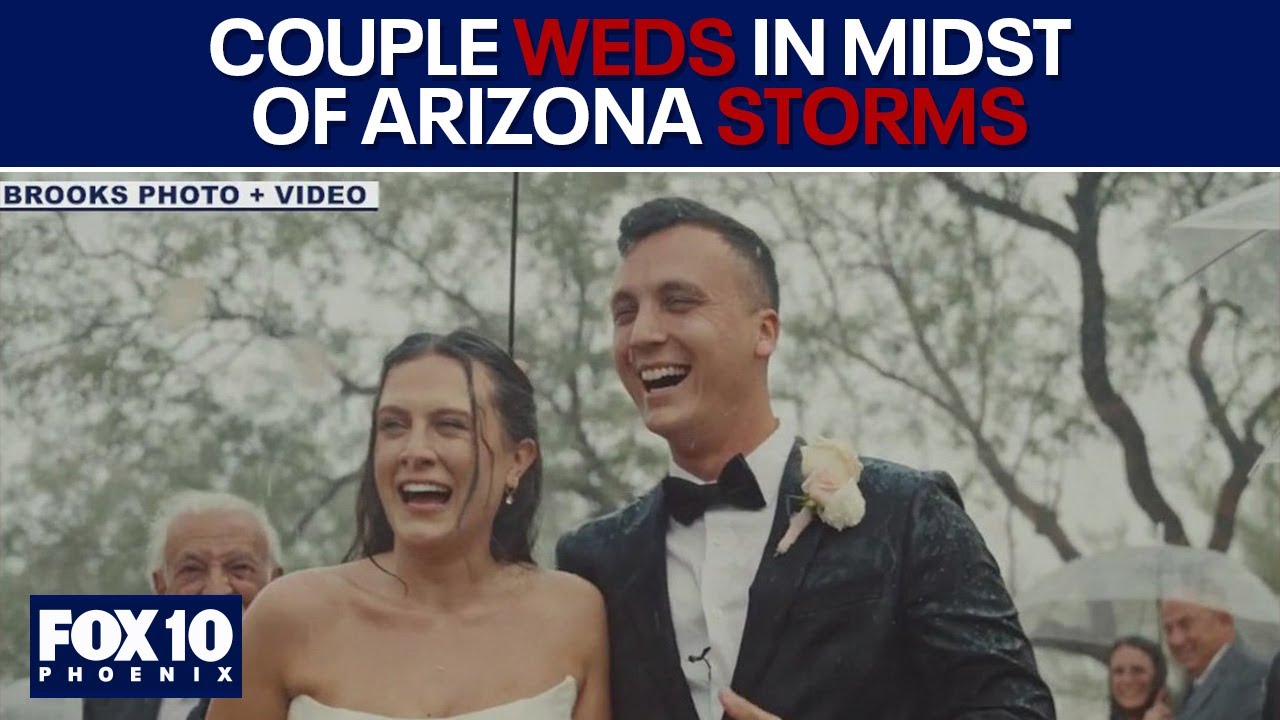
The concept of hiring a **shaman** to perform a **rain-stopping ritual** at weddings is gaining traction, particularly among couples opting for destination wedd
Summary
The concept of hiring a **shaman** to perform a **rain-stopping ritual** at weddings is gaining traction, particularly among couples opting for destination weddings. **Swank Wong**, a 34-year-old destination wedding planner, recently made headlines for incorporating such a ritual into her own wedding at **Raffles Bali** in Indonesia. This trend is part of a broader shift towards more personalized and unconventional wedding experiences. Couples are now looking beyond traditional wedding practices, seeking to infuse their special day with unique cultural and spiritual elements. For instance, some are incorporating **[[wedding-rituals|wedding rituals]]** from various cultures, while others are opting for **[[eco-friendly-weddings|eco-friendly weddings]]**. The rise of social media has also played a significant role in this trend, with couples seeking to create memorable and Instagram-worthy moments, such as hiring a **[[shaman|shaman]]** to perform a rain-stopping ritual.
Key Takeaways
- The trend of hiring shamans to perform rain-stopping rituals at weddings is on the rise
- Couples are seeking unique and personalized wedding experiences
- The practice raises concerns about cultural appropriation and commercialization
- Couples should approach the practice with sensitivity and respect
- The trend reflects a broader shift towards more unconventional wedding practices
Balanced Perspective
The use of shamans in weddings is a fascinating phenomenon that reflects the evolving nature of wedding traditions. While some may view it as a gimmick or a luxury, others see it as a meaningful way to connect with their heritage or spiritual beliefs. It's essential to approach this trend with an open mind, recognizing that weddings are a highly personal and subjective experience. As couples continue to push the boundaries of traditional wedding practices, it will be interesting to see how this trend intersects with other aspects of wedding planning, such as **[[wedding-photography|wedding photography]]** and **[[wedding-catering|wedding catering]]**. The role of **[[shamans|shamans]]** in weddings may also raise questions about the commercialization of spiritual practices and the potential impact on local cultures.
Optimistic View
The incorporation of shamans and rain-stopping rituals into weddings is a refreshing and exciting development. It allows couples to express their individuality and creativity, making their wedding day truly unique and memorable. This trend also highlights the growing interest in spiritual and cultural practices, which can bring people together and create a sense of community. As seen in the case of **[[swank-wong|Swank Wong]]**, who hired a shaman to perform a rain-stopping ritual at her wedding, this trend is not only about the couple but also about the experience they create for their guests. With the help of **[[wedding-planners|wedding planners]]** and **[[event-coordinators|event coordinators]]**, couples can now create a truly immersive and unforgettable experience for their loved ones.
Critical View
The incorporation of shamans and rain-stopping rituals into weddings raises concerns about the commercialization of spiritual practices and the potential for cultural appropriation. As couples seek to create unique and Instagram-worthy experiences, they may be inadvertently disrespecting or exploiting cultural traditions. Furthermore, the emphasis on guaranteeing good weather may create unrealistic expectations and add unnecessary stress to the wedding planning process. It's crucial to consider the potential consequences of this trend and ensure that couples are approaching these practices with sensitivity and respect, particularly when it comes to **[[cultural-appropriation|cultural appropriation]]** and **[[spiritual-commercialization|spiritual commercialization]]**. The involvement of **[[wedding-industry|wedding industry]]** professionals, such as **[[wedding-coordinators|wedding coordinators]]**, may also contribute to the commercialization of these practices.
Source
Originally reported by The New York Times