
Contents
- 🌍 Introduction to the Levant
- 🏛️ Historical Background of the Levant
- 🌟 Cultural Significance of the Levant
- 🏞️ Geography and Climate of the Levant
- 📚 Ancient Civilizations of the Levant
- 🏙️ Major Cities in the Levant
- 🌐 Trade and Commerce in the Levant
- 🤝 Influence of the Levant on Western Culture
- 🌈 Modern-Day Levant: Challenges and Opportunities
- 📊 Demographics and Economy of the Levant
- 🌎 The Levant in the Global Context
- Frequently Asked Questions
- Related Topics
Overview
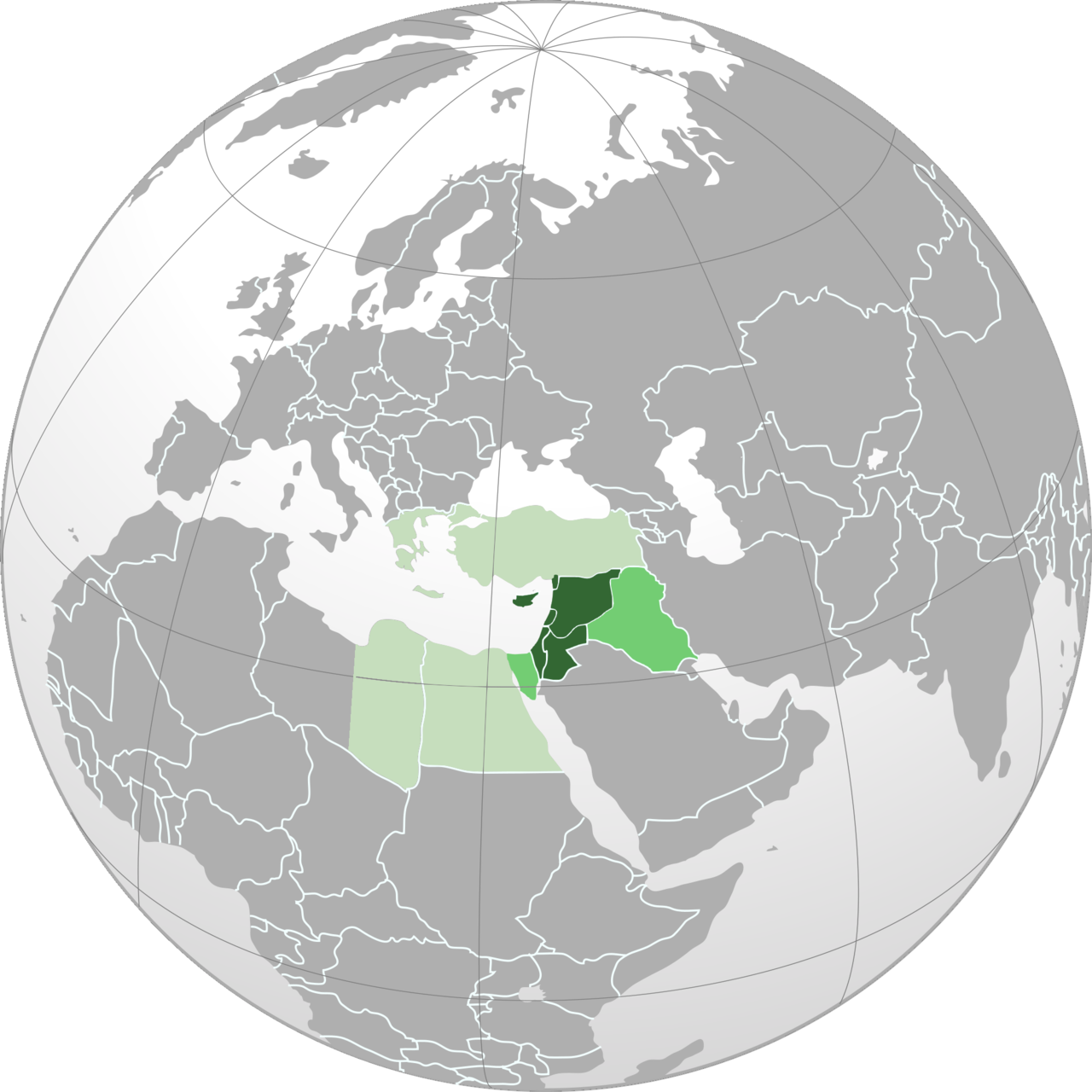
The Levant, a region in the Eastern Mediterranean, has been a melting pot of cultures, empires, and ideas for millennia. From the ancient civilizations of Phoenicia and Babylon to the modern-day countries of Lebanon, Syria, Jordan, Israel, and Palestine, the Levant has played a pivotal role in shaping global history. With a Vibe score of 82, the region is a hub of cultural energy, driven by its strategic location, diverse population, and complex web of influences. The Levant has been a battleground for empires, a cradle of religions, and a crossroads of trade routes, leaving an indelible mark on the world. As the region continues to evolve, it remains a hotbed of controversy, with ongoing debates over borders, identities, and the future of the Middle East. With its rich history, vibrant culture, and intricate politics, the Levant is a fascinating and complex topic that continues to captivate scholars, policymakers, and the general public alike.
🌍 Introduction to the Levant
The Levant, a subregion of West Asia along the Eastern Mediterranean, is a crossroads of history and culture. The term Levant is often used in conjunction with historical or cultural references, and is closely tied to the concept of the Middle East. The region has a rich and diverse history, with many ancient civilizations, including the Phoenicians and the Assyrians, having flourished in the area. The Levant has also been a major center of trade and commerce, with the Silk Road and other trade routes passing through the region. Today, the Levant is home to a diverse range of cultures, including Islamic, Christian, and Jewish communities.
🏛️ Historical Background of the Levant
The historical background of the Levant is complex and multifaceted. The region has been conquered and ruled by many different empires and dynasties, including the Ancient Egyptians, the Persian Empire, and the Ottoman Empire. Each of these empires has left its mark on the region, shaping the culture, architecture, and politics of the Levant. The Levant has also been a major center of learning and intellectual inquiry, with the University of Alexandria and other institutions of higher learning having been established in the region. The Crusades also had a significant impact on the Levant, with many Crusader states having been established in the region.
🌟 Cultural Significance of the Levant
The cultural significance of the Levant cannot be overstated. The region is home to a rich and diverse range of cultural traditions, including Arabic literature, Turkish music, and Levantine cuisine. The Levant has also been a major center of artistic and architectural innovation, with the Hagia Sophia and other famous landmarks having been built in the region. The Levant has also been a crossroads of trade and commerce, with many different cultures and civilizations having interacted and exchanged goods and ideas in the region. The Byzantine Empire also played a significant role in shaping the culture of the Levant.
🏞️ Geography and Climate of the Levant
The geography and climate of the Levant are characterized by a mix of mountains, valleys, and coastal plains. The region is bounded by the Mediterranean Sea to the west, and is bordered by the Tigris River and the Euphrates River to the east. The Levant is also home to a number of important mountain ranges, including the Levantine Mountains and the Anti-Lebanon Mountains. The climate of the Levant is generally mild, with warm summers and cool winters. The region is also prone to earthquakes and other natural disasters, with the Jordan Rift Valley being a major fault line.
📚 Ancient Civilizations of the Levant
The ancient civilizations of the Levant have left a lasting legacy in the region. The Phoenicians were a major maritime power, and established a number of colonies and trading posts throughout the Mediterranean. The Assyrians were a powerful and militarized state, and were known for their advanced engineering and architectural skills. The Babylonians also made significant contributions to the region, with the Hanging Gardens of Babylon being one of the Seven Wonders of the Ancient World. The Hebrews also played a significant role in the region, with the Kingdom of Israel having been established in the Levant.
🏙️ Major Cities in the Levant
The major cities in the Levant are a testament to the region's rich history and cultural diversity. Beirut is the capital of Lebanon, and is known for its vibrant nightlife and cultural scene. Damascus is the capital of Syria, and is one of the oldest continuously inhabited cities in the world. Jerusalem is a holy city in Israel, and is considered sacred by Jews, Christians, and Muslims alike. The Gaza Strip is a coastal region in the south of the Levant, and is home to a large Palestinian population.
🌐 Trade and Commerce in the Levant
Trade and commerce have long been a major part of the Levant's economy and culture. The Silk Road and other trade routes have passed through the region, with many different goods and commodities being bought and sold in the Levant's markets. The region is also home to a number of important ports, including the Port of Beirut and the Port of Haifa. The Levant has also been a major center of banking and finance, with the Bank of Lebanon and other institutions having been established in the region. The Levantine trade has also played a significant role in shaping the region's economy and culture.
🤝 Influence of the Levant on Western Culture
The influence of the Levant on Western culture is profound and far-reaching. The region has been a major center of learning and intellectual inquiry, with many important scientific and philosophical discoveries having been made in the Levant. The University of Alexandria was a major center of learning in the ancient world, and the House of Wisdom in Baghdad was a major center of intellectual inquiry during the Islamic Golden Age. The Levant has also been a major source of inspiration for Western art and literature, with many famous writers and artists having been influenced by the region's culture and history. The Crusades also had a significant impact on Western culture, with many Crusader states having been established in the Levant.
🌈 Modern-Day Levant: Challenges and Opportunities
The modern-day Levant is a complex and dynamic region, with many challenges and opportunities. The region is home to a diverse range of cultures and communities, and is a major center of trade and commerce. However, the Levant is also prone to conflict and instability, with many different countries and factions vying for power and influence in the region. The Arab-Israeli conflict is a major source of tension in the region, and the Syrian Civil War has had a devastating impact on the region. The Levantine refugee crisis is also a major challenge facing the region, with many people having been displaced by conflict and instability.
📊 Demographics and Economy of the Levant
The demographics and economy of the Levant are complex and multifaceted. The region is home to a diverse range of cultures and communities, with many different ethnic and religious groups living in the Levant. The economy of the Levant is also diverse, with many different industries and sectors contributing to the region's GDP. The Levantine economy is also heavily reliant on trade and commerce, with many different goods and commodities being bought and sold in the region's markets. The Levantine demographics are also changing, with many young people leaving the region in search of better economic opportunities.
🌎 The Levant in the Global Context
The Levant in the global context is a region of great importance and significance. The region is a major center of trade and commerce, and is home to many different cultures and communities. The Levant is also a major source of inspiration for Western art and literature, and has played a significant role in shaping the course of human history. The global significance of the Levant is undeniable, and the region will continue to play an important role in global affairs for many years to come. The Levant and globalization are also closely linked, with many different global trends and processes having an impact on the region.
Key Facts
- Year
- 2023
- Origin
- Eastern Mediterranean
- Category
- History and Geography
- Type
- Geographic Region
Frequently Asked Questions
What is the Levant?
The Levant is a subregion of West Asia along the Eastern Mediterranean, and is a crossroads of history and culture. The region is home to a diverse range of cultures and communities, and is a major center of trade and commerce. The Levant is also a major source of inspiration for Western art and literature, and has played a significant role in shaping the course of human history. The Levant is closely tied to the concept of the Middle East.
What are the major cities in the Levant?
The major cities in the Levant are Beirut, Damascus, and Jerusalem. These cities are a testament to the region's rich history and cultural diversity, and are home to many different cultures and communities. The Gaza Strip is also a significant urban center in the Levant, and is home to a large Palestinian population.
What is the cultural significance of the Levant?
The cultural significance of the Levant is profound and far-reaching. The region is home to a rich and diverse range of cultural traditions, including Arabic literature, Turkish music, and Levantine cuisine. The Levant has also been a major center of artistic and architectural innovation, with the Hagia Sophia and other famous landmarks having been built in the region. The Byzantine Empire also played a significant role in shaping the culture of the Levant.
What are the major challenges facing the Levant today?
The major challenges facing the Levant today are complex and multifaceted. The region is prone to conflict and instability, with many different countries and factions vying for power and influence in the region. The Arab-Israeli conflict is a major source of tension in the region, and the Syrian Civil War has had a devastating impact on the region. The Levantine refugee crisis is also a major challenge facing the region, with many people having been displaced by conflict and instability.
What is the economic significance of the Levant?
The economic significance of the Levant is profound and far-reaching. The region is a major center of trade and commerce, and is home to many different industries and sectors. The Levantine economy is also heavily reliant on trade and commerce, with many different goods and commodities being bought and sold in the region's markets. The Levantine demographics are also changing, with many young people leaving the region in search of better economic opportunities.
How has the Levant influenced Western culture?
The influence of the Levant on Western culture is profound and far-reaching. The region has been a major center of learning and intellectual inquiry, with many important scientific and philosophical discoveries having been made in the Levant. The University of Alexandria was a major center of learning in the ancient world, and the House of Wisdom in Baghdad was a major center of intellectual inquiry during the Islamic Golden Age. The Levant has also been a major source of inspiration for Western art and literature, with many famous writers and artists having been influenced by the region's culture and history.
What is the global significance of the Levant?
The global significance of the Levant is undeniable, and the region will continue to play an important role in global affairs for many years to come. The Levant is a major center of trade and commerce, and is home to many different cultures and communities. The region is also a major source of inspiration for Western art and literature, and has played a significant role in shaping the course of human history. The Levant and globalization are also closely linked, with many different global trends and processes having an impact on the region.