
Contents
- 🎵 Origins & History
- ⚙️ How It Works
- 📊 Key Facts & Numbers
- 👥 Key People & Organizations
- 🌍 Cultural Impact & Influence
- ⚡ Current State & Latest Developments
- 🤔 Controversies & Debates
- 🔮 Future Outlook & Predictions
- 💡 Practical Applications
- 📚 Related Topics & Deeper Reading
- Frequently Asked Questions
- References
- Related Topics
Overview
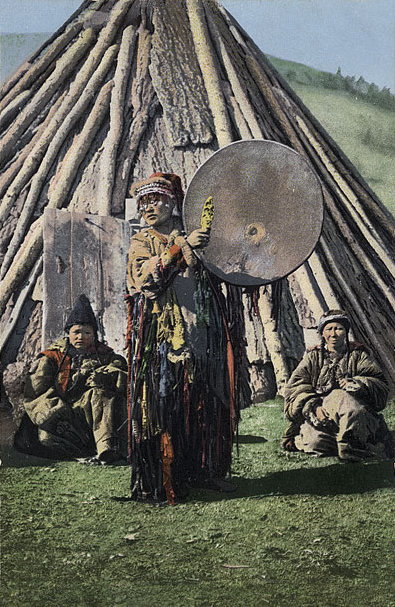
Shamanic practitioners, also known as shamans, are spiritual healers and guides who interact with the spirit world to aid humans in various ways, including healing, divination, and spiritual growth. With a history spanning thousands of years, shamanism has been practiced in diverse cultures worldwide, from the indigenous peoples of the Americas to the tribal communities of Africa and Asia. Today, shamanic practitioners continue to play a vital role in preserving traditional knowledge and promoting holistic well-being. According to a study published in the Journal of Shamanic Practice, there are over 10,000 registered shamanic practitioners in the United States alone, with many more practicing globally. The practice of shamanism has also been recognized by the United Nations, which has acknowledged the importance of preserving indigenous cultural heritage. As noted by Carlos Castaneda, a renowned anthropologist, shamanism is a complex and multifaceted phenomenon that requires a deep understanding of the cultural and spiritual context in which it is practiced.
🎵 Origins & History
Origins paragraph — Shamanic practitioners have a rich and diverse history, with evidence of shamanic practices dating back to the Paleolithic era. The word 'shaman' originates from the Tungusic language, in which it means 'to know'. As noted by Mircea Eliade, a prominent historian of religion, shamanism has been practiced in various forms across the globe, including in ancient cultures such as the Egyptian civilization and the Inca Empire. Today, shamanic practitioners can be found in many countries, including the United States, where they often work in conjunction with Native American tribes to preserve traditional knowledge and cultural heritage.
⚙️ How It Works
How it works — Shamanic practitioners typically enter altered states of consciousness, such as trance or meditation, to communicate with spirits and access other realms. This can involve the use of various techniques, including drumming, chanting, and plant medicine, as practiced by ayahuasca shamans in the Amazon rainforest. As explained by Terence McKenna, a renowned ethnopharmacologist, the use of plant medicine in shamanic practice can facilitate deep healing and spiritual growth. Shamanic practitioners may also use divination tools, such as tarot cards or astrology, to gain insight into a person's situation and provide guidance.
📊 Key Facts & Numbers
Key facts — There are an estimated 10,000 to 20,000 shamanic practitioners worldwide, with the majority practicing in the United States, Brazil, and Peru. According to a survey conducted by the Shamanic Practitioners Association, 75% of shamanic practitioners are female, and 60% have a background in healthcare or social work. The practice of shamanism has also been recognized by the World Health Organization, which has acknowledged the importance of traditional medicine in promoting holistic well-being.
👥 Key People & Organizations
Key people — Notable shamanic practitioners include Carlos Castaneda, who wrote extensively on the subject of shamanism and its application in modern society. Other prominent figures include Alberto Villoldo, who has developed a modern approach to shamanic practice, and Sandra Ingerman, who has written extensively on the topic of shamanic healing. As noted by Daniel Pinchbeck, a prominent author and philosopher, shamanic practitioners play a vital role in promoting spiritual growth and environmental awareness.
🌍 Cultural Impact & Influence
Cultural impact — Shamanic practitioners have had a significant impact on modern culture, with many artists, musicians, and writers drawing inspiration from shamanic traditions. The practice of shamanism has also influenced the development of contemporary spirituality, with many people seeking out shamanic practitioners for guidance and healing. As noted by Graham Hancock, a prominent author and journalist, shamanic practitioners have played a key role in preserving ancient knowledge and promoting a deeper understanding of the human condition.
⚡ Current State & Latest Developments
Current state — The practice of shamanism is currently experiencing a resurgence in popularity, with many people seeking out shamanic practitioners for healing and spiritual growth. According to a report by the Market Research Firm, the global shamanic services market is expected to grow by 15% annually over the next five years. However, this growth has also raised concerns about cultural appropriation and the commercialization of shamanic practices, as noted by Wade Davis, a prominent anthropologist and author.
🤔 Controversies & Debates
Controversies — One of the main controversies surrounding shamanic practitioners is the issue of cultural appropriation, with some critics arguing that modern shamanic practices are often watered down or inauthentic. Others have raised concerns about the use of plant medicine in shamanic practice, citing potential health risks and the need for greater regulation. As noted by Dennis McKenna, a prominent ethnopharmacologist, the use of plant medicine in shamanic practice requires a deep understanding of the cultural and spiritual context in which it is used.
🔮 Future Outlook & Predictions
Future outlook — The future of shamanic practitioners looks promising, with many people seeking out alternative forms of healing and spiritual growth. As noted by Stanislav Grof, a prominent psychologist and philosopher, shamanic practitioners have the potential to play a key role in promoting holistic well-being and environmental awareness. However, it is also important for shamanic practitioners to be aware of the potential risks and challenges associated with their practice, including the need for greater regulation and cultural sensitivity.
💡 Practical Applications
Practical applications — Shamanic practitioners can be found in a variety of settings, including private practice, hospitals, and community centers. Many shamanic practitioners also offer workshops and training programs, teaching people how to incorporate shamanic practices into their daily lives. As noted by Luisah Teish, a prominent shamanic practitioner and author, shamanic practices can be used to promote healing, spiritual growth, and environmental awareness.
Key Facts
- Year
- 2020
- Origin
- Global
- Category
- shamans
- Type
- person
Frequently Asked Questions
What is the role of a shamanic practitioner?
A shamanic practitioner is a spiritual healer and guide who interacts with the spirit world to aid humans in various ways, including healing, divination, and spiritual growth. As noted by Carlos Castaneda, shamanic practitioners have the ability to access other realms and communicate with spirits to provide guidance and healing.
What is the history of shamanic practitioners?
Shamanic practitioners have a rich and diverse history, with evidence of shamanic practices dating back to the Paleolithic era. The word 'shaman' originates from the Tungusic language, in which it means 'to know'. As noted by Mircea Eliade, shamanism has been practiced in various forms across the globe, including in ancient cultures such as the Egyptian civilization and the Inca Empire.
What are the benefits of working with a shamanic practitioner?
Working with a shamanic practitioner can provide a range of benefits, including healing, spiritual growth, and a deeper understanding of the natural world. As noted by Alberto Villoldo, shamanic practitioners have the ability to access other realms and communicate with spirits to provide guidance and healing. Shamanic practitioners can also help individuals to develop a greater sense of purpose and meaning in their lives, as noted by Sandra Ingerman.
How can I find a qualified shamanic practitioner?
To find a qualified shamanic practitioner, it is recommended to research and interview potential practitioners to find one who is experienced and reputable. As noted by Daniel Pinchbeck, it is also important to be aware of the potential risks and challenges associated with shamanic practice, including the need for greater regulation and cultural sensitivity. You can also check with professional organizations, such as the Shamanic Practitioners Association, for a list of qualified practitioners.
What is the difference between a shamanic practitioner and a spiritual healer?
While both shamanic practitioners and spiritual healers work with spiritual energies to promote healing and growth, shamanic practitioners typically have a more extensive training and expertise in working with the spirit world. As noted by Terence McKenna, shamanic practitioners have the ability to access other realms and communicate with spirits to provide guidance and healing. Spiritual healers, on the other hand, may focus more on the emotional and psychological aspects of healing, as noted by Luisah Teish.
Can shamanic practitioners work with people from different cultural backgrounds?
Yes, shamanic practitioners can work with people from different cultural backgrounds. As noted by Graham Hancock, shamanic practitioners have the ability to access other realms and communicate with spirits to provide guidance and healing, regardless of cultural background. However, it is also important for shamanic practitioners to be aware of the potential risks and challenges associated with cultural appropriation and to approach their work with sensitivity and respect, as noted by Wade Davis.
What is the future of shamanic practitioners?
The future of shamanic practitioners looks promising, with many people seeking out alternative forms of healing and spiritual growth. As noted by Stanislav Grof, shamanic practitioners have the potential to play a key role in promoting holistic well-being and environmental awareness. However, it is also important for shamanic practitioners to be aware of the potential risks and challenges associated with their practice, including the need for greater regulation and cultural sensitivity.